

Description
Features
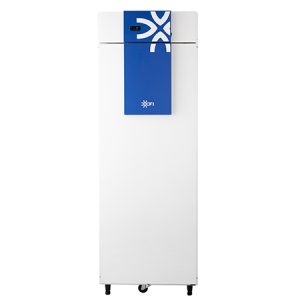
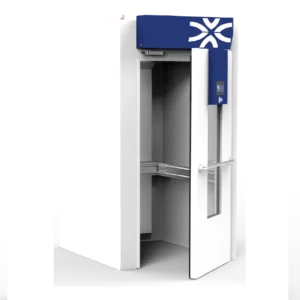
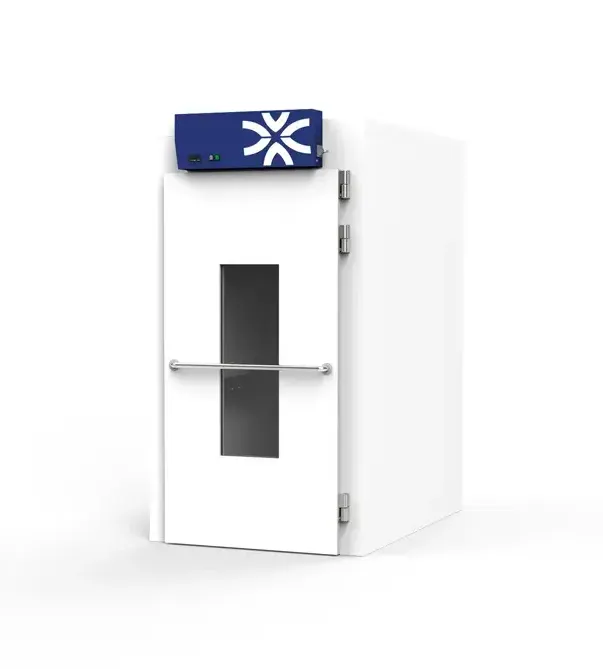
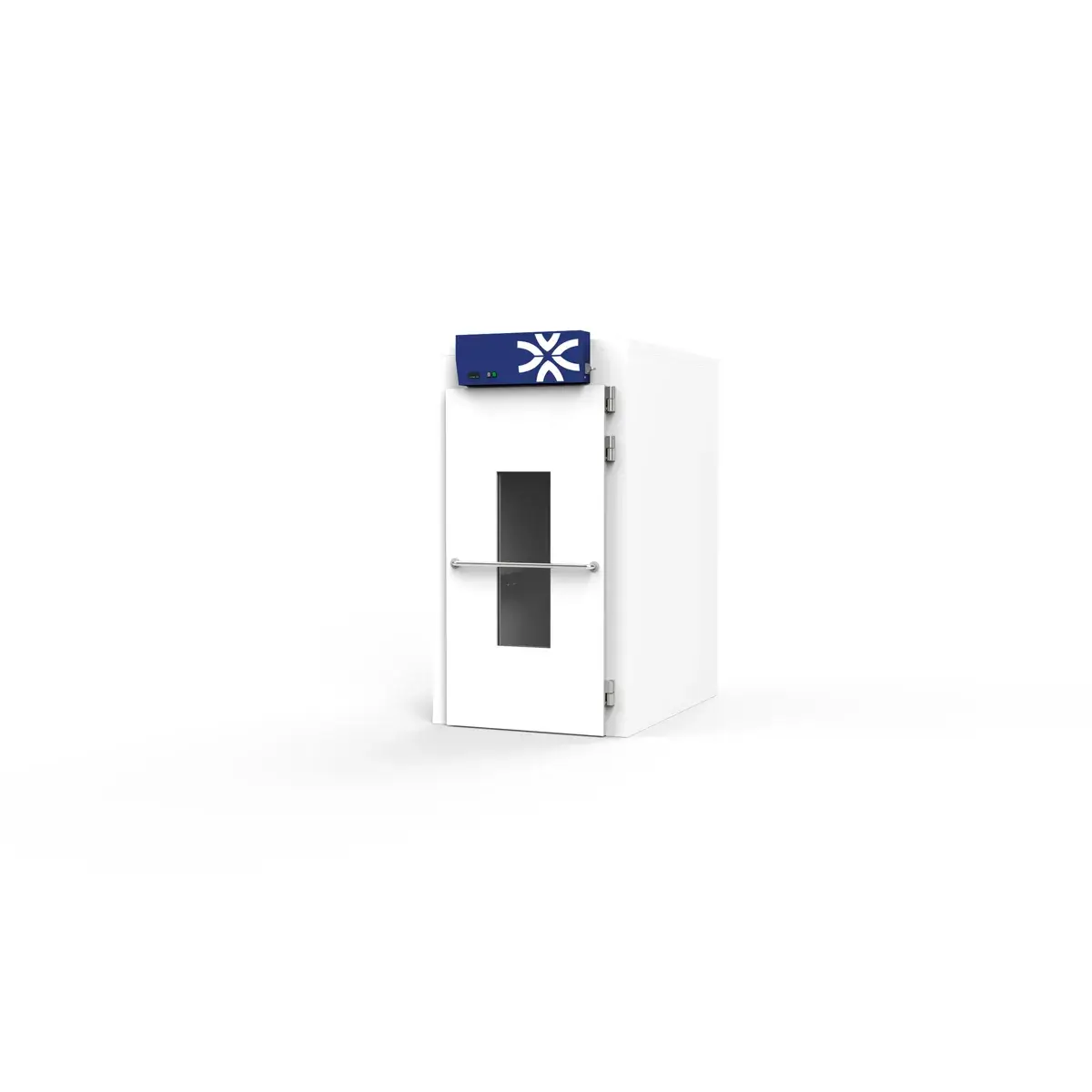
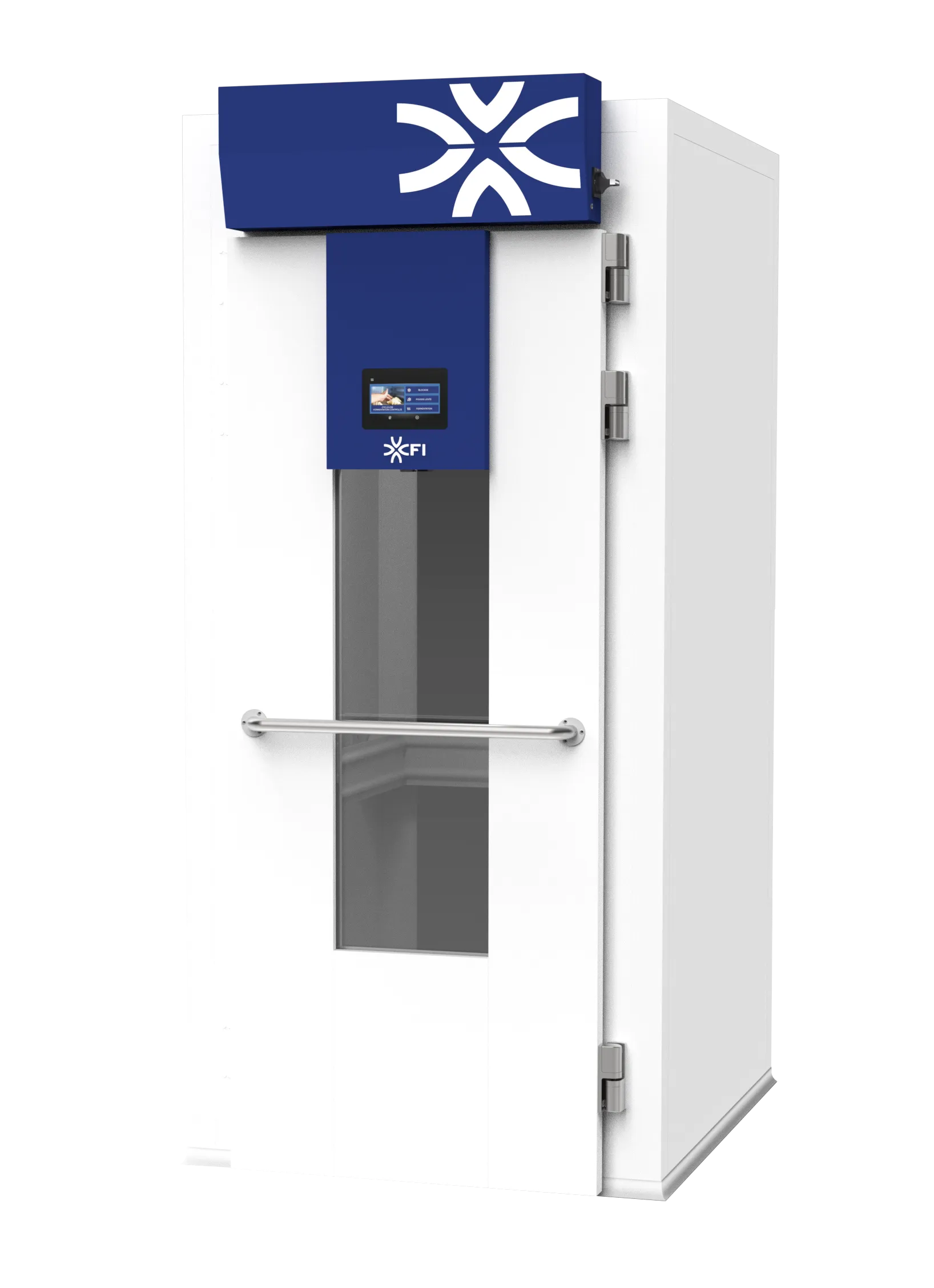
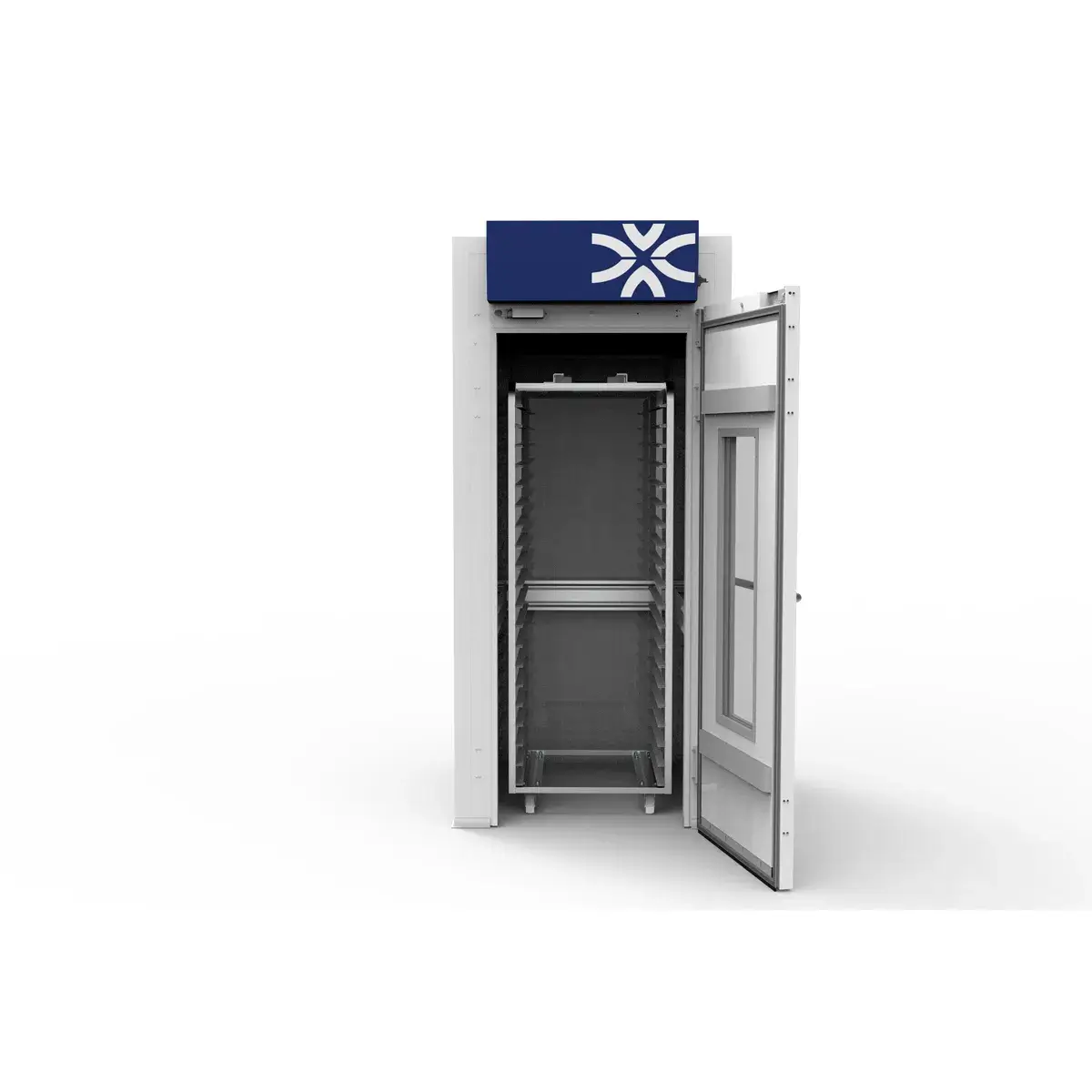
BLUE ROLL Slow Proofing Chambers are designed to combine robustness and performance while meeting the needs for precise slow proofing control. With various options such as double or glass doors, as well as the possibility to customize the configuration based on the number and arrangement of doors and trolleys, they integrate perfectly into all laboratory environments. Designed for daily use, these chambers combine ergonomics, ease of use and maintenance, and guarantee durability and optimal fermentation control with a perfectly mastered proofing rhythm.
Equipped with a Dual Flow ventilation system, BLUE ROLL ensures a natural and continuous airflow from +2 °C to +8 °C, across all products. The homogeneous and controlled flows promote quality fermentation, with the utmost respect for the dough.
The Slow Proofing Fermentation Chamber range can accommodate 2 to 12 trolleys of 400 x 600 mm dimensions (Blue Roll Slow Proofing 46 models) or 1 to 11 trolleys of 600 x 800 mm dimensions (Blue Roll Slow Proofing 46 models).
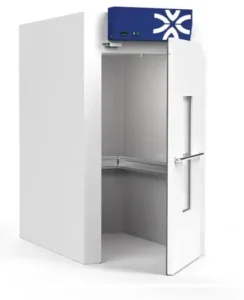
Dual Flow Fermentation Chamber
- Natural & continuous airflow: the evaporator has been selected for its gentle power and efficiency. No need for a humidity system, the humidity level regulates naturally.
- Dual diffusion: positioned on the chamber ceiling, the ventilation blows from above, respecting the natural convection direction of the air.
- Power and modularity: the evaporator is sized according to the chamber size to achieve optimum performance.
- All-proof protection: the door opening system from inside the chamber is protected against impacts by stainless steel guards. Internal aluminum protection rails, on each wall, guide the trolleys and prevent any impacts against the panels, while ensuring good circulation and distribution of the airflow.
- Concealed door dictator ensuring complete door closure and good sealing.
This method allows for extending the proofing of a dough beyond its usual duration, by placing dough pieces or dough trays in a chamber to control the ambient temperature at all times while preserving the dough’s softness thanks to its airflow.
The equipment must ensure, with maximum safety, the cold production necessary to lower the dough temperature to block its fermentation.